Պատկեր:New Animation Sieve of Eratosthenes.gif
Jump to navigation
Jump to search
Ավելի բարձր կետաչափով տարբերակ չկա։
New_Animation_Sieve_of_Eratosthenes.gif (554 × 445 փիքսել, նիշքի չափը՝ 43 ԿԲ, MIME-տեսակը՝ image/gif, looped, 159 frames, 36 վ)
Note: Due to technical limitations, thumbnails of high resolution GIF images such as this one will not be animated.

Ամփոփում
| Նկարագրում |
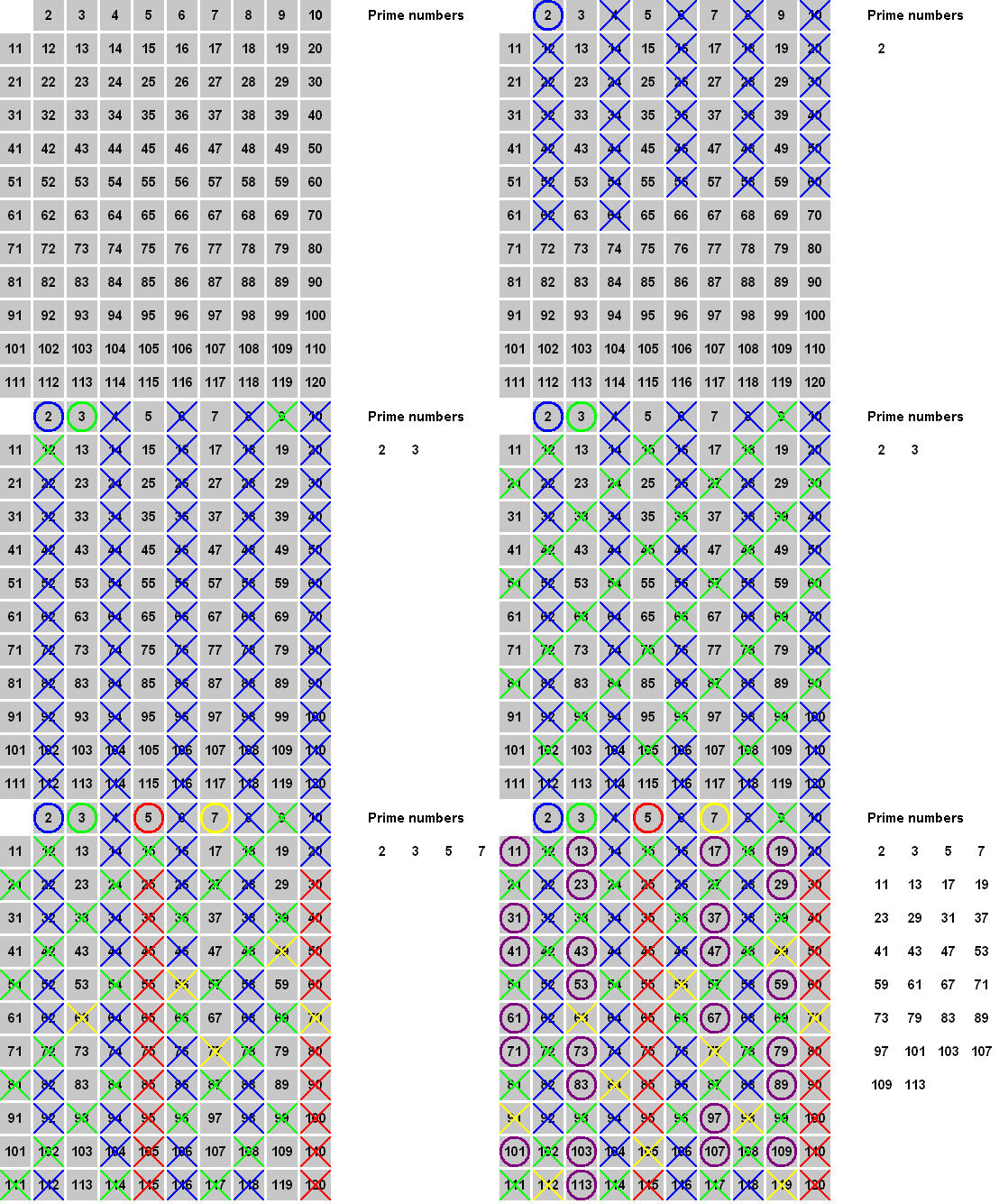
English: Animation that visualizes the "Sieve of Eratosthenes" algorithm. The Sieve of Eratosthenes is an method for efficiently finding all prime numbers up to a number, 120 in this case, by eliminating all multiples of successive primes. It uses the common optimization of starting at p2 for each prime p, as all non-primes (composites) up to p2 were found in previous passes. Because of this it only needs to consider primes up to 7, because the square of the next prime 11 is 121, larger than any number here. |
| Թվական | |
| Աղբյուր | Բեռնողի սեփական աշխատանք. Inspired on a similar picture by SKopp. |
| Հեղինակ | M.qrius |
Արտոնագրում
Ես, այս աշխատանքի հեղինակային իրավունքների տերը, ներկա հրատարակում եմ սրա հետևյալ լիցենզիաների պայմաններով

|
Այս վավերագրման պատճենահանման, տարածման և/կամ ձևափոխման թույլտվություն կամ լիցենզիայի GNU FDL պայմաններով 1.2 մեկնակերպի կամ ավելի ուշ, հրատարակված Ազատ ծրագրային ապահովության հիմնադրամում, առանց անփոփոխելի հատվածների, առանց բնագիրների, որոնք տեղադրված են առաջին և վերջին շապիկներում: Լիցենզիայի պատճենը գտնվում է GNU Free Documentation License հատվածում: |


This file is licensed under the Creative Commons Attribution-Share Alike 4.0 International, 3.0 Unported, 2.5 Generic, 2.0 Generic and 1.0 Generic license.
- Դուք ազատ եք՝
- կիսվել ստեղծագործությամբ – պատճենել, տարածել և փոխանցել այս աշխատանքը։
- վերափոխել – ադապտացնել աշխատանքը
- Պահպանելով հետևյալ պայմանները'
- հղում – Դուք պետք է նշեք հեղինակի (իրավատիրոջ) հղումը:
- համանման տարածում – Եթե դուք ձևափոխում եք, փոխակերպում, կամ այս աշխատանքի հիման վրա ստեղծում եք նոր աշխատանք, ապա ձեր ստեղծածը կարող է տարածվել միայն նույն կամ համարժեք թույլատրագրով։
Կարող եք ընտրել այս թույլատրագրերից ցանկացածը։
Նիշքի պատմություն
Մատնահարեք օրվան/ժամին՝ նիշքի այդ պահին տեսքը դիտելու համար։
| Օր/Ժամ | Մանրապատկեր | Օբյեկտի չափը | Մասնակից | Մեկնաբանություն | |
|---|---|---|---|---|---|
| ընթացիկ | 21:17, 14 փետրվարի 2012 | | 554 × 445 (43 ԿԲ) | wikimediacommons>Waldyrious | revert my change. there was actually a logic behind the missing values, see File talk:Sieve of Eratosthenes animation.gif |

Նիշքի օգտագործում
Հետևյալ էջը հղվում է այս նիշքին՝
